Explore partnership opportunities ↗
Our work

One shared future.
Connected action.

CAR’s programmes connect community-led development with the daily realities of health, education, livelihoods and environment. Each area offers a practical entry point for community-led development.

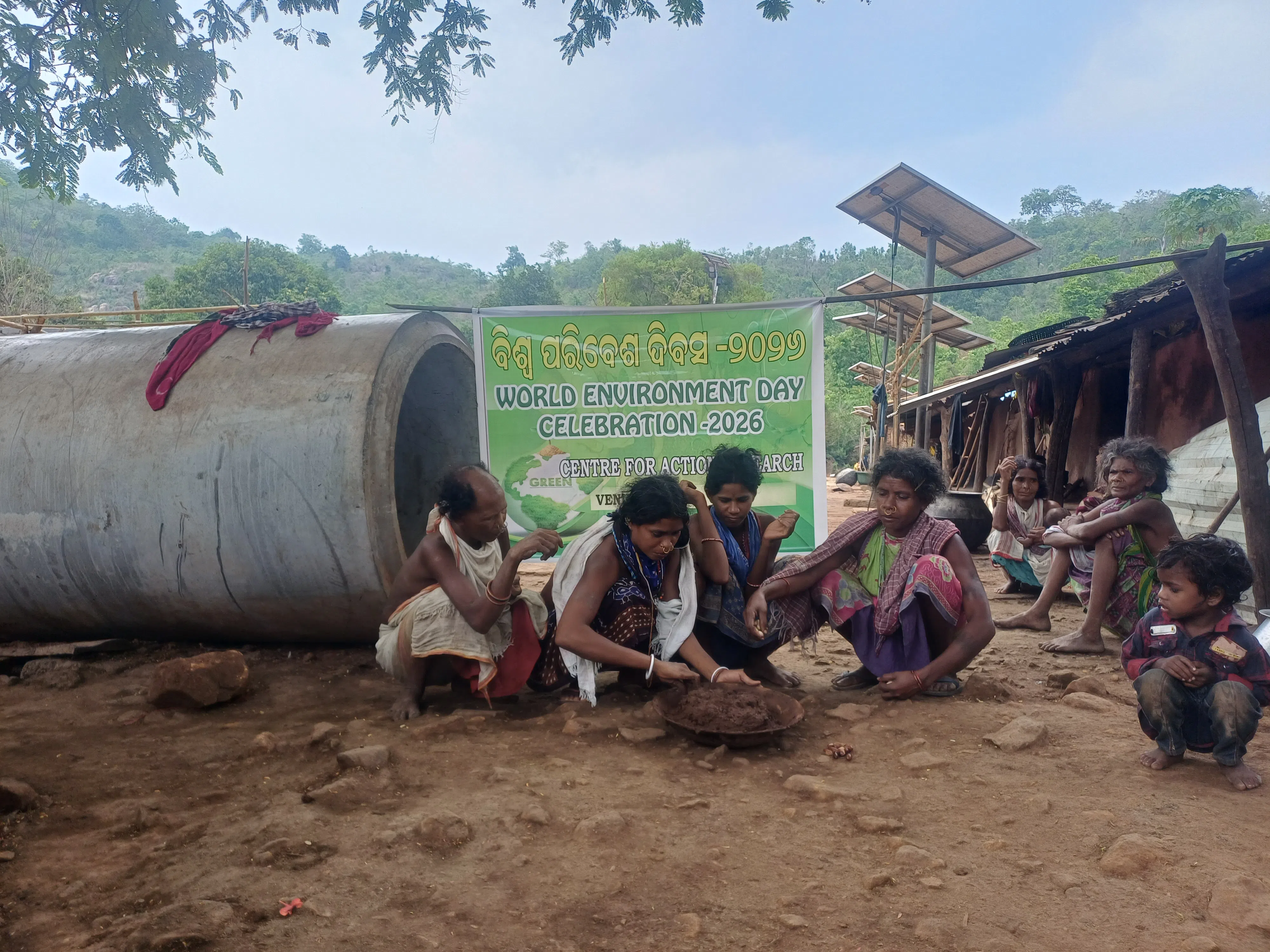
Community members taking part in an environmental awareness activity and seed-ball regeneration.
Intervention areas

Six connected pathways.
A whole-community lens.

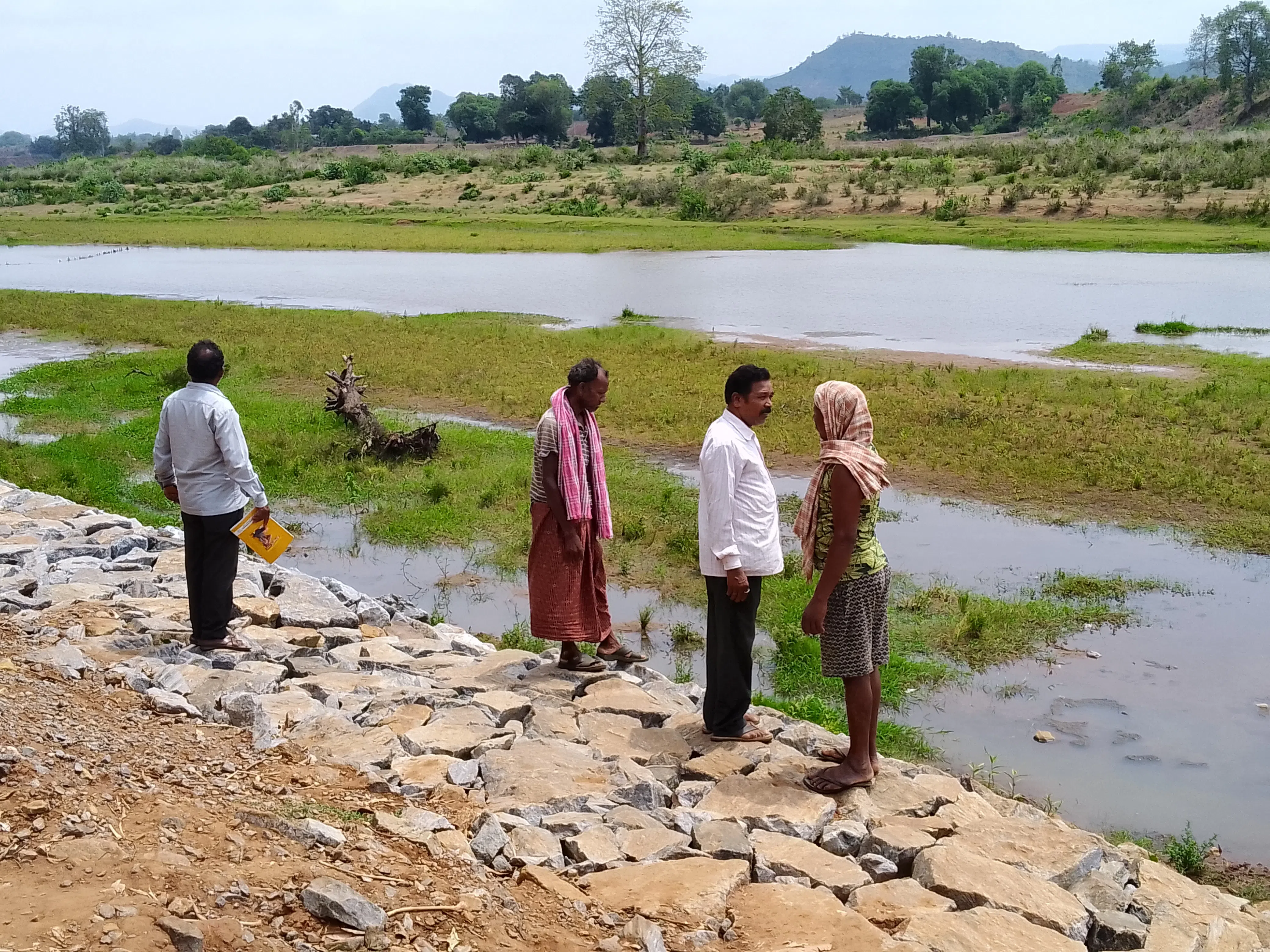
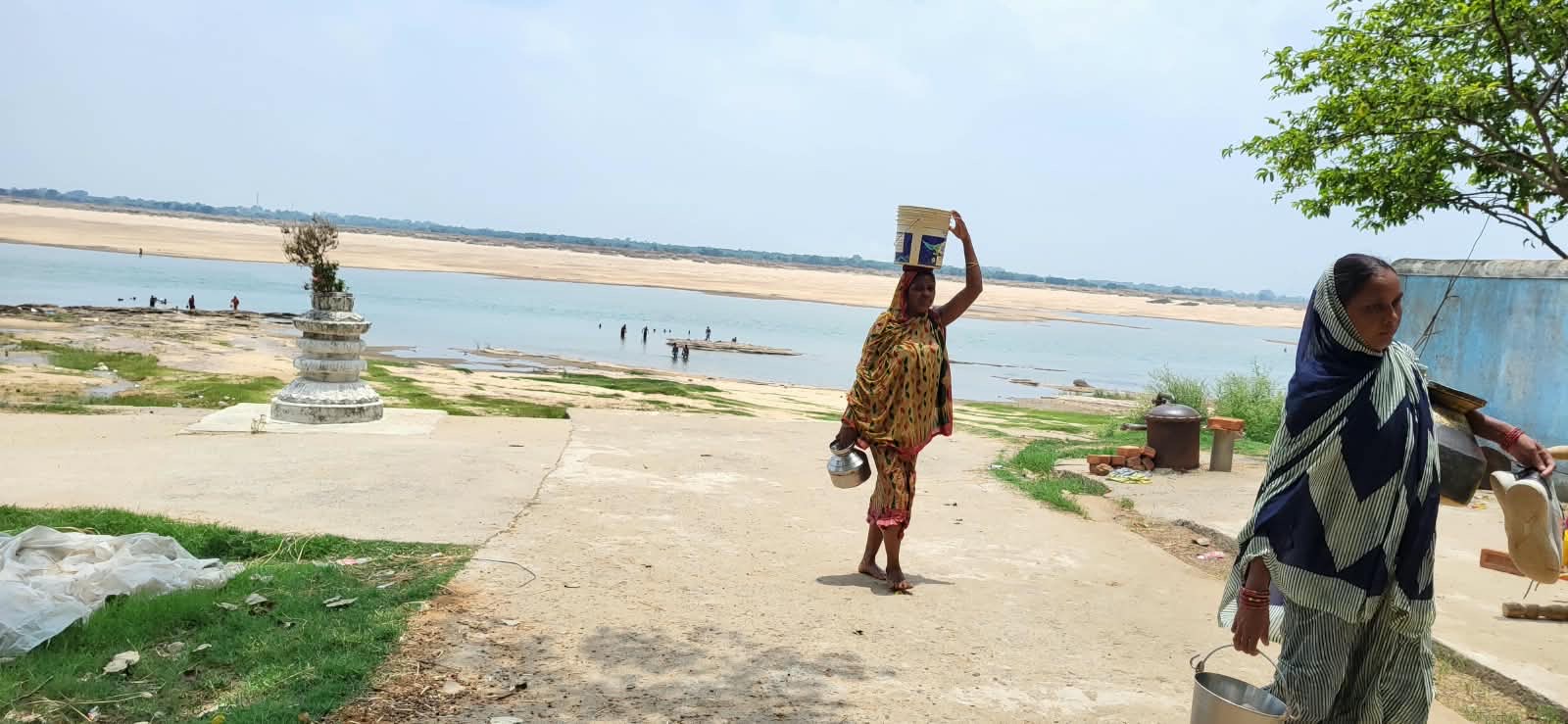
Community members in a rural landscape connected to local livelihoods.01
Livelihoods & resilience

Sustainable livelihoods

Stronger livelihoods reduce household vulnerability and help communities rely on locally rooted skills, resources and institutions. CAR’s work includes agriculture and horticulture support, livelihood diversification, women’s economic empowerment and small-scale entrepreneurship.

Activities in the profile

  • Sustainable agriculture and horticulture support
  • Community-based seed banks and grain banks
  • Skill development and livelihood diversification
  • Forest-based livelihood opportunities
  • Access to government livelihood programmes
  • Strengthening community economic institutions
INTENDED DIRECTIONGreater self-reliance

More resilient households, stronger local institutions and dignified livelihood options.
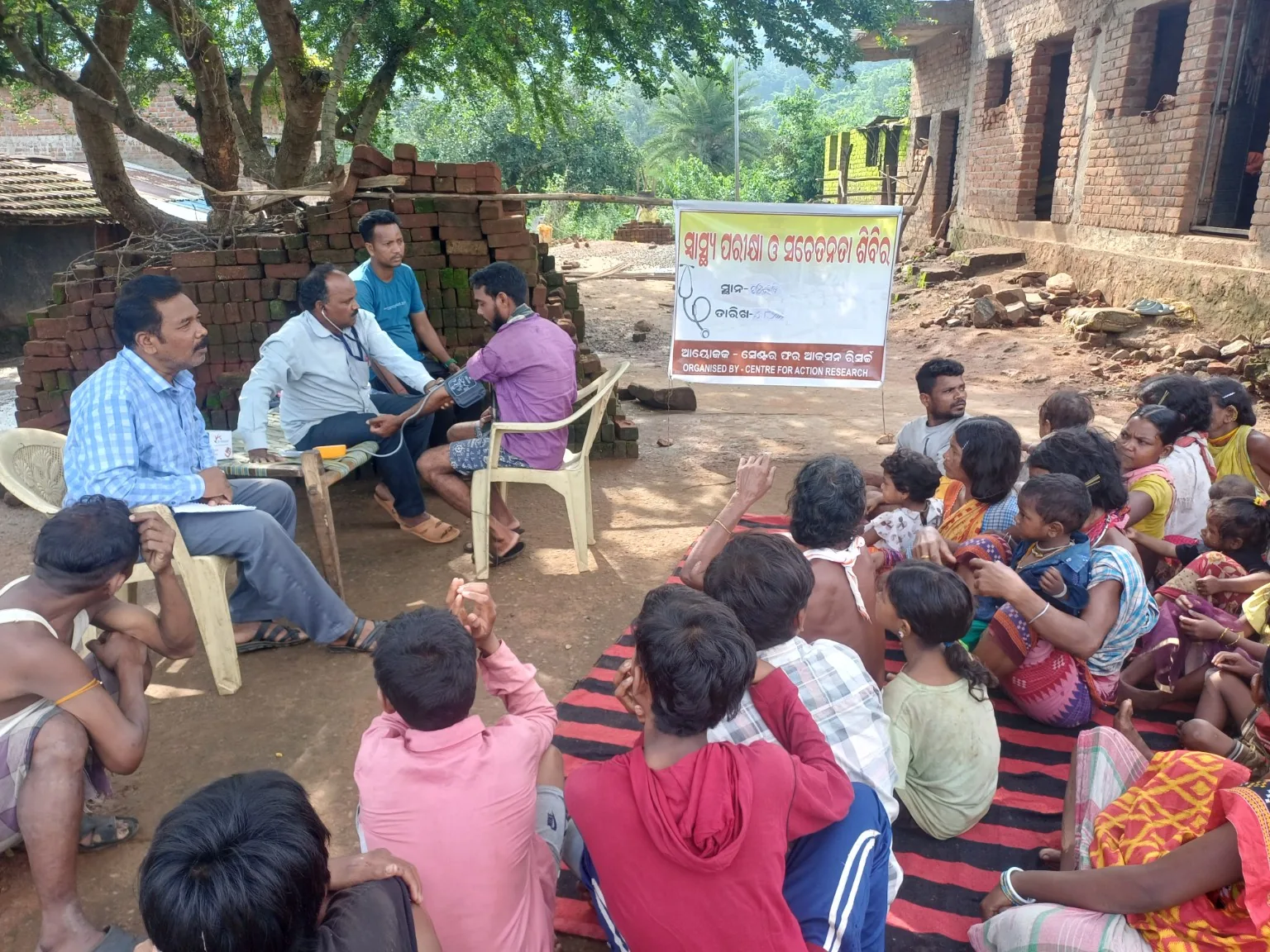
Community members participating in a health check-up and awareness camp organised by CAR.02
Health, nutrition & sanitation

Healthier, informed communities

CAR promotes awareness and improved access to essential health and nutrition services among tribal communities and vulnerable households, with particular attention to women, adolescent girls and children.

Areas of focus

  • Preventive health awareness and maternal/child health
  • Nutrition awareness
  • Water, sanitation and hygiene (WASH)
  • Community health awareness and referral
  • Linkages with public health services
  • Promotion of healthy and safe practices
INTENDED DIRECTIONHealth with dignity

Stronger awareness, safer practices and better connection with essential services.

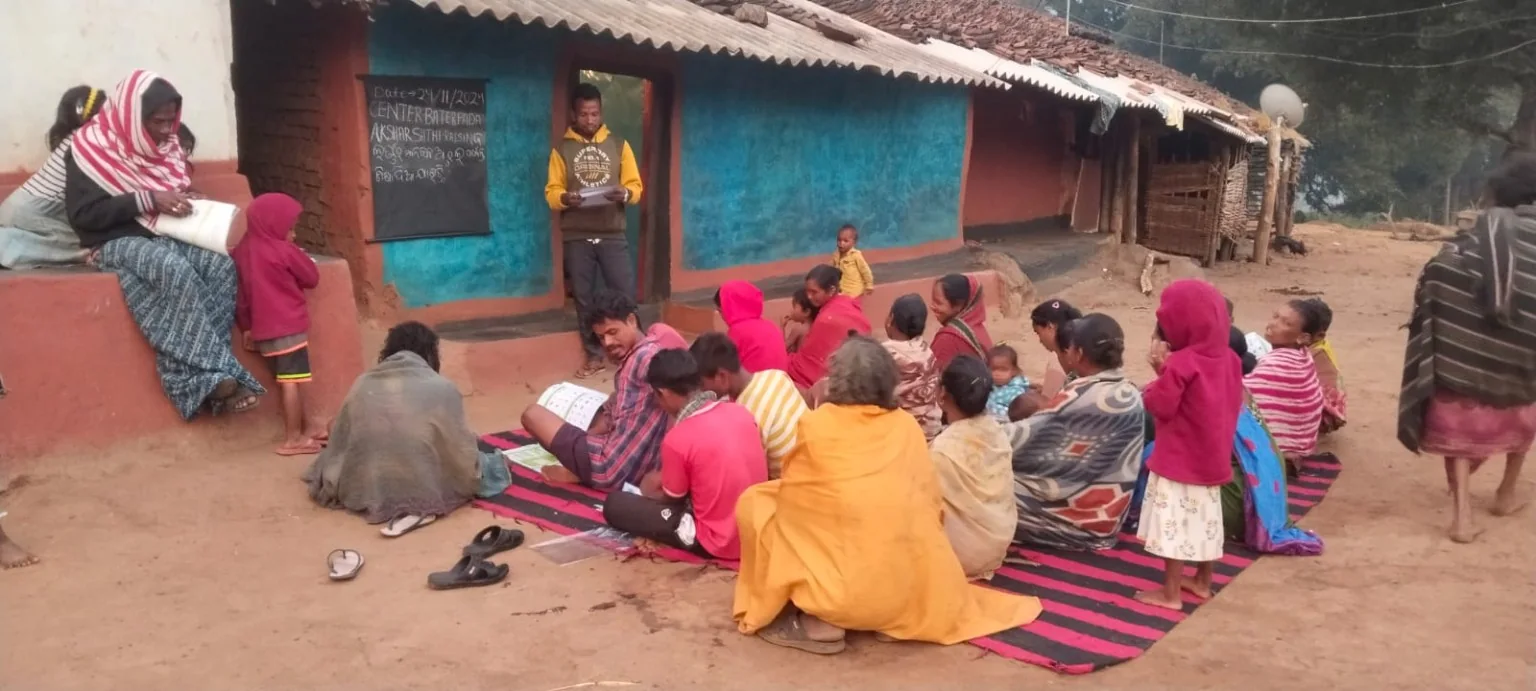
Adult literacy learners gathered for a community learning session.03
Education & skills

Learning at every age

CAR works to improve educational opportunity for children and young people in underserved tribal communities while promoting adult and functional literacy. The emphasis is on practical learning that strengthens confidence and participation in everyday life.

Areas of focus

  • School enrolment and retention
  • Children’s learning support and parental awareness
  • Adult and functional literacy
  • Educational support for vulnerable children
  • Youth development and vocational skills
  • Digital and life-skills awareness
INTENDED DIRECTIONLearning and agency

More opportunities to read, write, participate, make informed choices and realise potential.

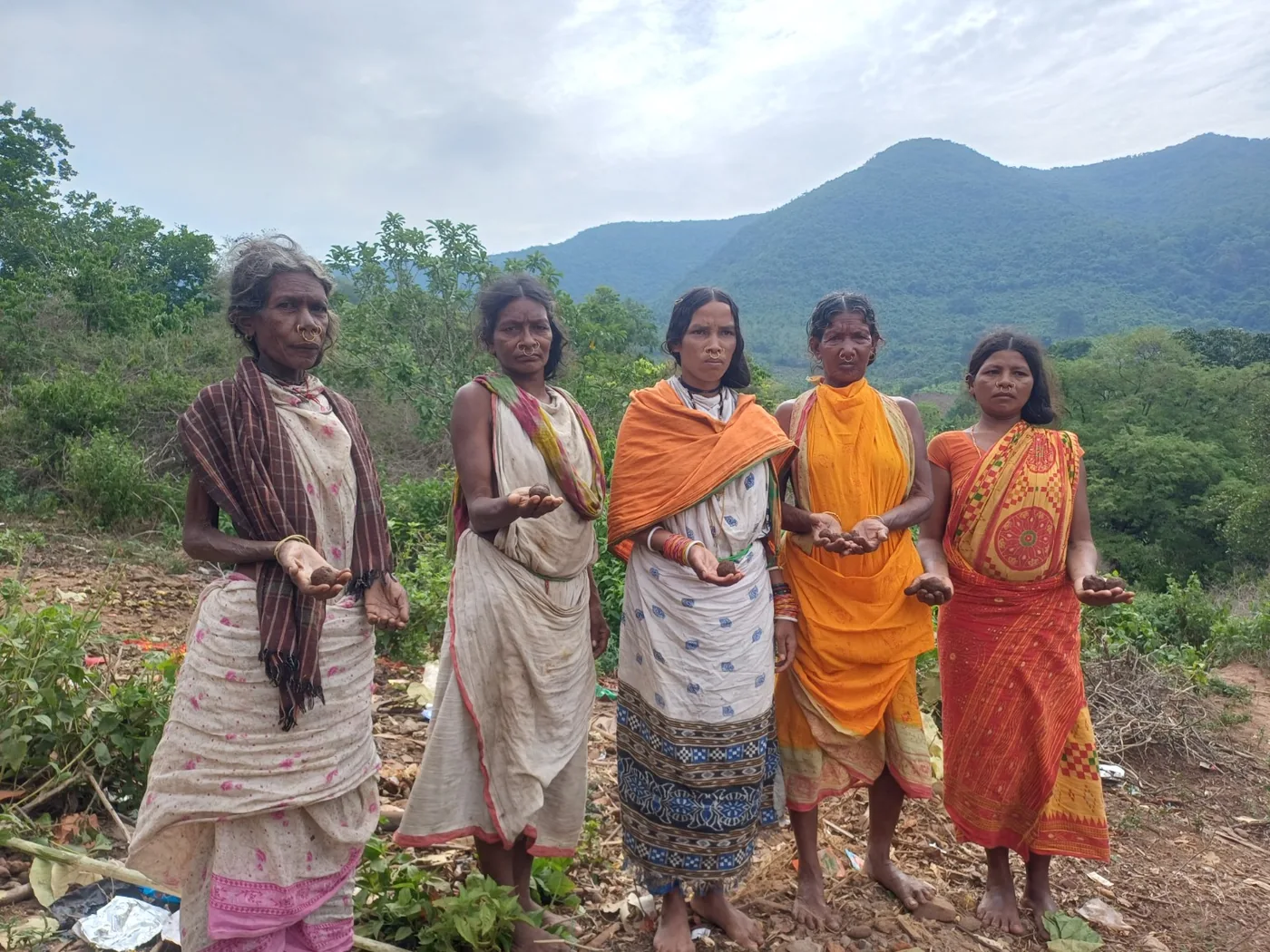
Community members taking part in environmental awareness and seed-ball activity.04
Environment & climate resilience

Healthy ecosystems, resilient communities

CAR integrates environmental sustainability into development work because the lives and livelihoods of tribal communities are connected with land, forests, water and common resources. Activities include awareness, regeneration and local action on resource protection.

Areas of focus

  • Climate-change and environmental awareness
  • Natural-resource management
  • Forest and biodiversity conservation
  • Water, soil and land conservation
  • Traditional agriculture practices
  • Forest regeneration through seed balls
  • Environmentally responsible livelihoods
INTENDED DIRECTIONEcological resilience

Healthy ecosystems that support water security, livelihoods and future generations.

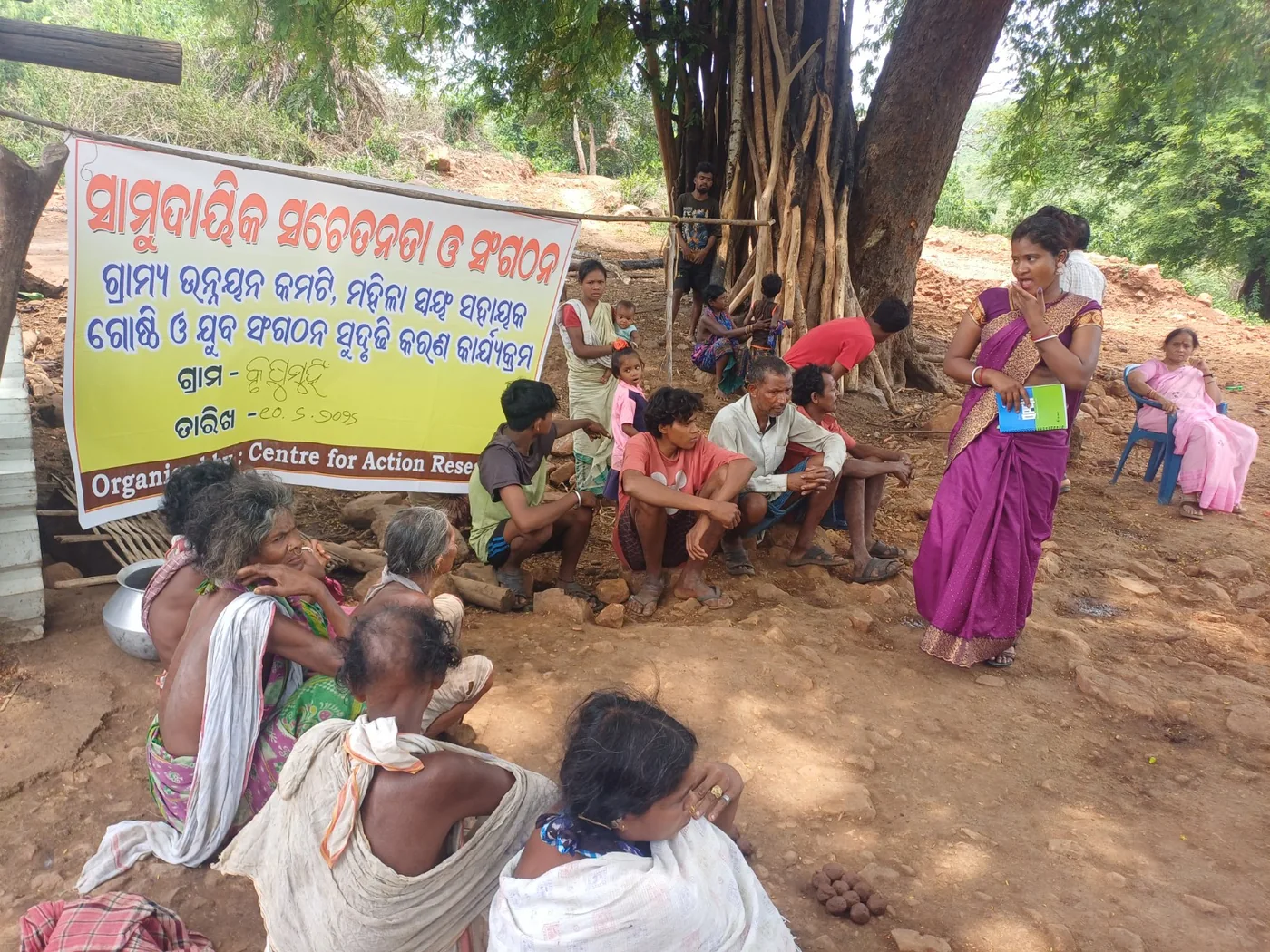
Community members gathered for a discussion about local concerns and rights.05
Social justice & rights

Participation

CAR facilitates awareness of legal rights, access to government schemes, social protection and constitutional entitlements for vulnerable communities. Recent highlights include Forest Rights Act facilitation and engagement on tribal identity and rights.

Areas of focus

  • Forest Rights Act awareness and facilitation
  • Linkages to government support schemes
  • Interaction with local government representatives
  • Women’s participation in governance
  • Community leadership, knowledge and skills
  • Advocacy on issues affecting communities
INTENDED DIRECTIONJustice

Communities better equipped to understand their rights, engage with institutions and participate in public decisions.

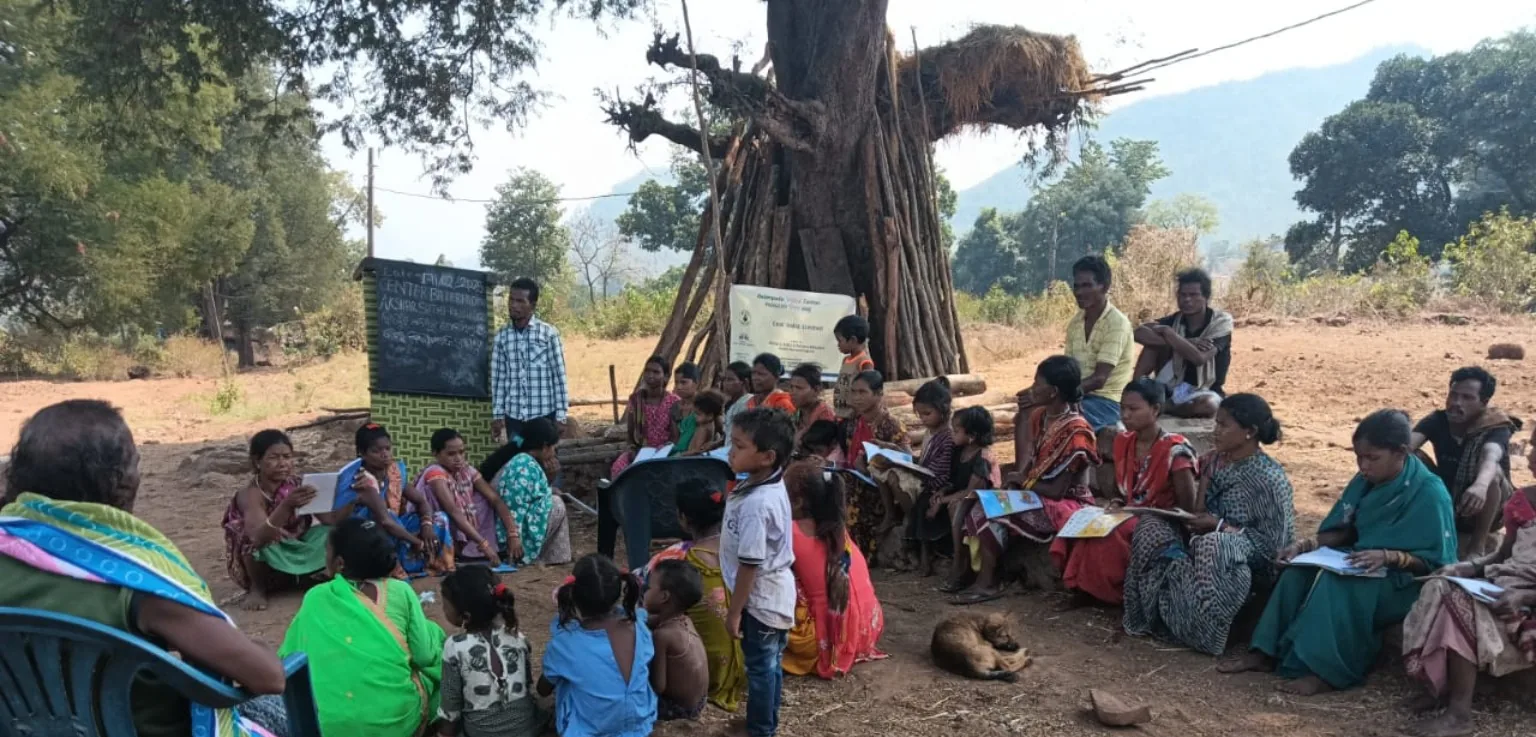
Women and community members taking part in an outdoor learning and discussion session.06
Women’s rights & empowerment

Women’s rights and empowerment

CAR recognises women’s leadership and equal participation as essential to community development. The programme focus includes women’s rights, access to services, participation in local governance, capacity-building and women’s involvement in decisions affecting families, livelihoods and natural resources.

Areas of focus

  • Women’s participation in local governance
  • Leadership, knowledge and capacity-building
  • Gender equality and access to opportunities
  • Women’s voice in decisions about natural resources and community services
INTENDED DIRECTIONWomen’s voice and agency

Women’s participation, leadership and access to opportunities strengthened across community life.

What comes next

From local practice
to shared learning.

01

Scale river restoration pilots

Develop community monitoring frameworks alongside restoration work on small rivers.

02

Strengthen rights facilitation

Build Forest Rights Act knowledge, legal-aid linkages and capacity in tribal districts.

03

Grow institutional partnerships

Develop long-term collaboration with CSR programmes and academic institutions.

04

Create a knowledge repository

Document rivers, FRA practices and community institutions for wider access and learning.

05

Keep inclusion central

Strengthen gender and social inclusion throughout programme design and delivery.

Cross-cutting focus

Restoring rivers.
Defending water justice.

CAR’s recent field and advocacy work highlights the Baitarani, Salandi, Nagavali and Vamsadhara rivers, including concerns about encroachment, sand mining, pollution, changing flows and water stress affecting farmers. The organisation has supported public meetings, field visits and community mobilisation for river protection.

View documented activity ↗
Community members in a rural landscape in Odisha